
Guide to Facade Lighting Design in Dubai
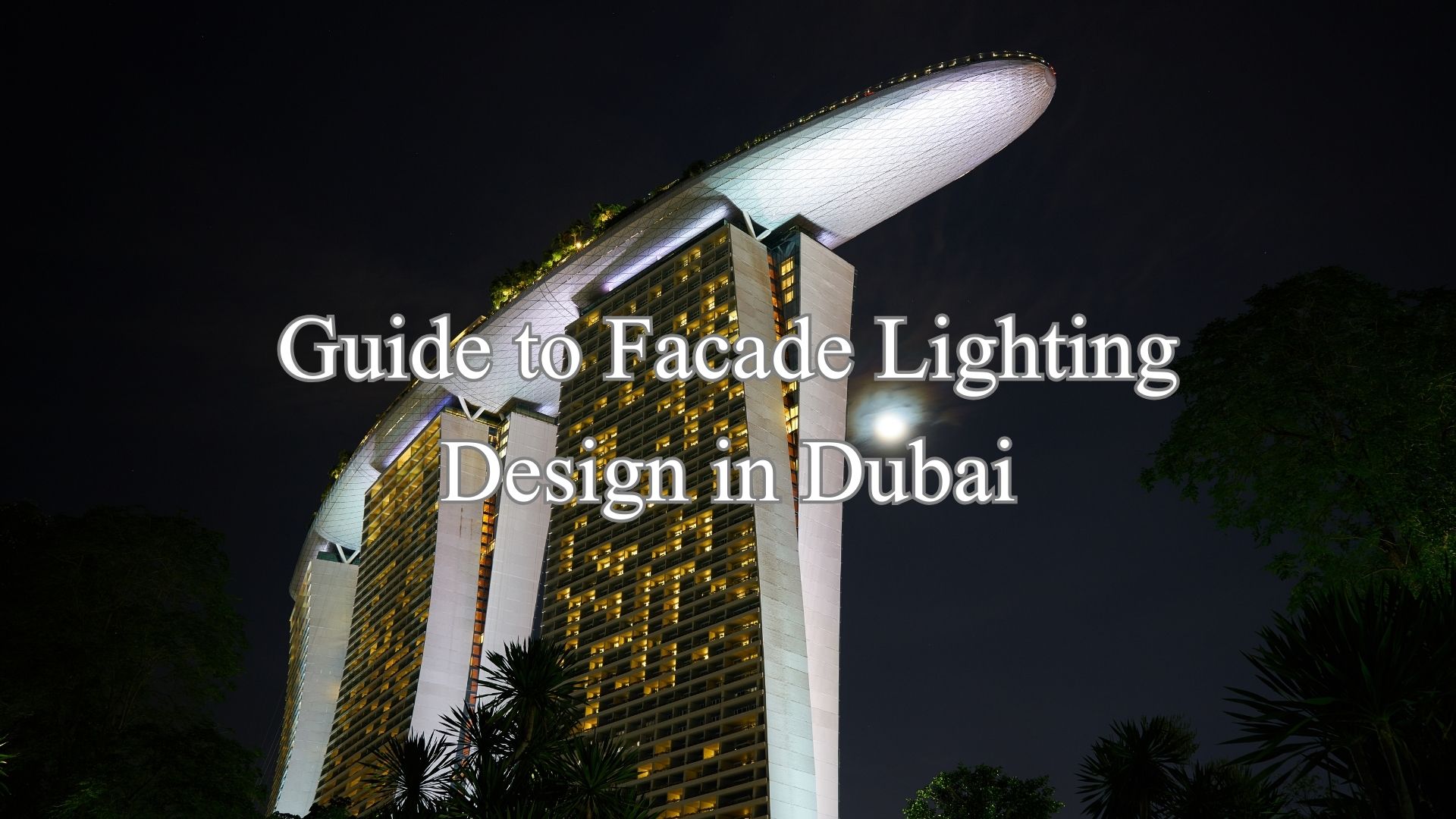
Creating exceptional facade lighting design in Dubai requires a deep understanding of architectural aesthetics, climate challenges, cultural considerations, and advanced lighting technologies. As Dubai continues to evolve as a global architectural showcase, the demand for sophisticated facade lighting design has reached unprecedented levels, making expert guidance essential for successful projects.
Understanding Dubai's Architectural Landscape
Dubai’s architectural diversity presents both opportunities and challenges for facade lighting design. From traditional Islamic architecture in areas like Al Fahidi Historical District to ultra-modern skyscrapers in Downtown Dubai, each building type requires a unique approach that respects its architectural heritage while creating contemporary visual appeal.
Eurosec’s design philosophy emphasizes harmony between lighting and architecture, ensuring that illumination enhances rather than overwhelms the building’s original design intent. This approach is particularly important in Dubai, where architectural styles range from classical Arabian elements to cutting-edge contemporary designs.
The design process begins with comprehensive architectural analysis, considering factors such as building materials, facade textures, geometric patterns, and the surrounding environmental context. This analysis forms the foundation for creating lighting schemes that celebrate the building’s unique characteristics while contributing to Dubai’s overall urban lighting strategy.
Fundamental Design Principles
Successful facade lighting design in Dubai follows several key principles that ensure both aesthetic success and practical functionality. The primary principle involves creating visual hierarchy through strategic use of brightness levels, color temperatures, and beam angles that guide the viewer’s attention to the most important architectural features.
Layered lighting design is essential in Dubai’s context, where buildings must remain visually compelling from various viewing distances and angles. Eurosec employs multiple lighting layers including accent lighting for architectural details, wash lighting for large surfaces, and feature lighting for prominent design elements.
Color temperature selection plays a crucial role in facade lighting design, with warm whites (2700K-3000K) creating inviting, hospitality-focused environments, while cooler whites (4000K-5000K) convey modern, professional atmospheres suitable for commercial and office buildings.
Contemporary Design Trends in Dubai
Dubai’s facade lighting design trends reflect the city’s position as a global innovation hub, with increasing emphasis on dynamic, interactive lighting systems that can adapt to different occasions and user preferences. RGB color-changing systems have become increasingly popular, allowing buildings to participate in citywide celebrations, seasonal themes, or brand-specific campaigns.
Media facade integration represents another significant trend, where lighting systems incorporate display capabilities that can show graphics, animations, or even video content. This technology is particularly popular in Dubai’s retail and hospitality sectors, where buildings can communicate directly with audiences through their facades.
Sustainable design practices are gaining prominence, with emphasis on energy-efficient LED technologies, smart control systems, and designs that minimize light pollution while maximizing visual impact. Eurosec leads this trend by incorporating advanced control systems that optimize energy usage without compromising design quality.
Customization Options for Different Building Types
Dubai’s diverse building portfolio requires customized lighting approaches tailored to specific building functions and architectural styles. Residential buildings typically benefit from warm, welcoming lighting that enhances comfort and livability while maintaining appropriate brightness levels for surrounding communities.
Commercial and office buildings require lighting designs that convey professionalism and reliability while supporting brand identity and tenant satisfaction. These installations often incorporate programmable systems that can adapt to business hours, seasonal changes, and corporate events.
Hospitality and retail buildings demand more dynamic lighting capabilities that can create excitement, attract customers, and support marketing initiatives. Eurosec’s hospitality lighting designs often incorporate color-changing capabilities, synchronized lighting shows, and interactive elements that engage visitors and create memorable experiences.
UAE Climate Considerations
Dubai’s extreme climate conditions significantly impact facade lighting design decisions, requiring careful selection of equipment, installation methods, and maintenance strategies. High ambient temperatures, intense UV exposure, and occasional sandstorms create challenging operating conditions for lighting equipment.
Heat management is critical in Dubai’s climate, as excessive temperatures can reduce LED lifespan and affect color consistency. Eurosec addresses this challenge through proper fixture selection, adequate heat dissipation design, and installation techniques that promote natural cooling and airflow around lighting equipment.
UV resistance is another crucial factor, as Dubai’s intense sunlight can degrade certain materials and affect fixture appearance over time. All Eurosec installations utilize UV-stabilized materials and coatings that maintain appearance and performance despite prolonged sun exposure.
Dust and sand infiltration protection is essential for maintaining lighting performance in Dubai’s desert environment. Proper IP (Ingress Protection) ratings, sealed fixture designs, and regular maintenance schedules ensure consistent performance despite challenging environmental conditions.
Integration with Smart Building Systems
Modern facade lighting design in Dubai increasingly incorporates integration with smart building management systems, allowing centralized control, monitoring, and optimization of lighting performance. These systems enable automatic adjustment based on ambient light conditions, occupancy patterns, and energy management objectives.
Smart integration also supports predictive maintenance by monitoring fixture performance, identifying potential issues before they cause failures, and optimizing maintenance schedules to minimize disruption and costs.
Cultural and Regulatory Compliance
Dubai’s cultural context and regulatory framework significantly influence facade lighting design decisions. Cultural sensitivity is important, particularly during religious observances when lighting may need to be adjusted or temporarily modified to respect community preferences.
Dubai Municipality regulations govern various aspects of facade lighting including maximum brightness levels, light spillage control, timing restrictions, and approval processes. Eurosec’s design team maintains current knowledge of these regulations, ensuring all designs comply with local requirements while maximizing creative possibilities.
Future-Proofing Design Strategies
Successful facade lighting design in Dubai considers long-term technology evolution and changing user expectations. Modular design approaches allow for future upgrades and modifications without complete system replacement, providing better return on investment and adaptability to changing needs.
Eurosec’s forward-thinking design approach incorporates provisions for future technology integration, expandability, and adaptation to evolving building uses, ensuring that facade lighting investments remain valuable and relevant for many years.
